
 Zhejiang Hongyan Electric Co., Ltd.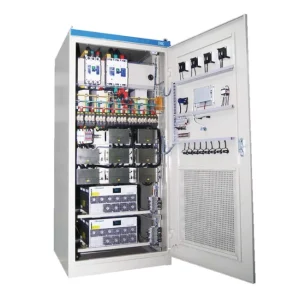
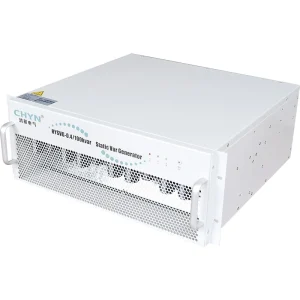
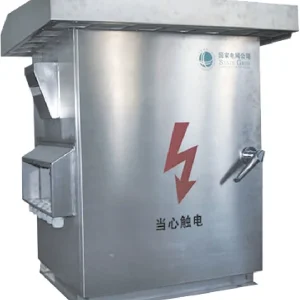
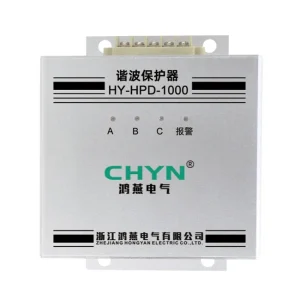
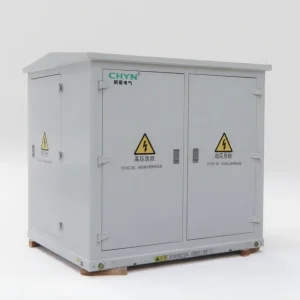
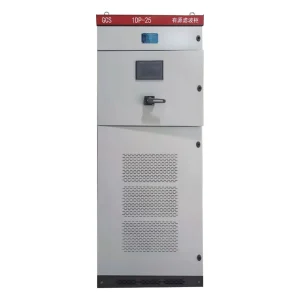
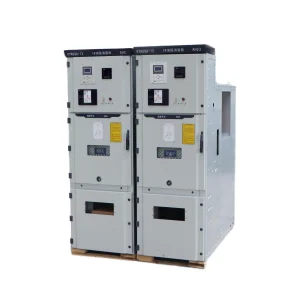
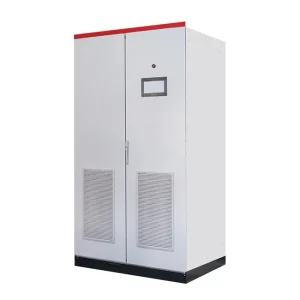
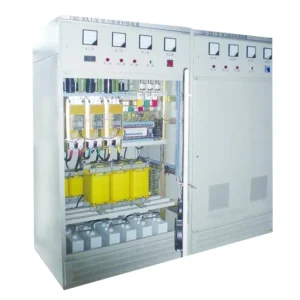
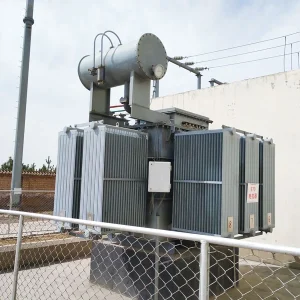
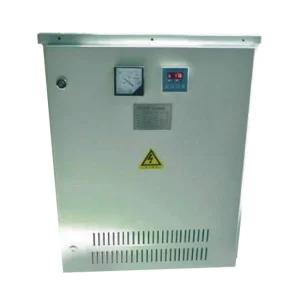
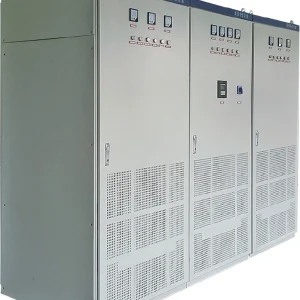
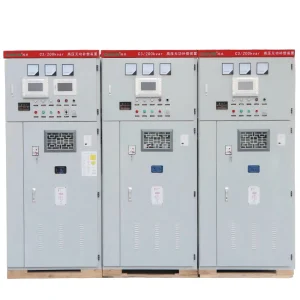
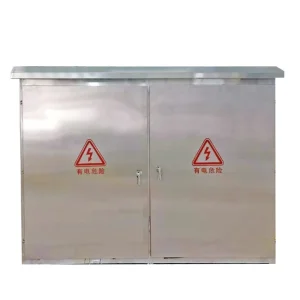
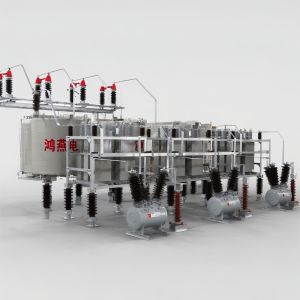
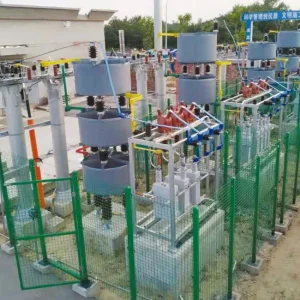
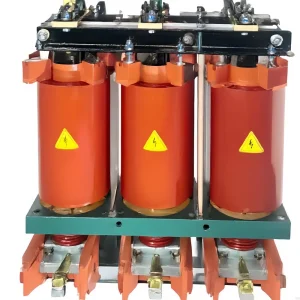
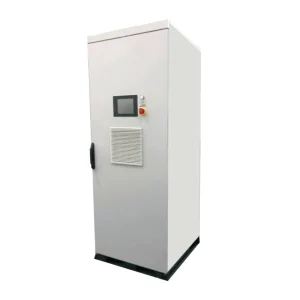
A static var compensator earns its cost when the bus needs fast capacitive and inductive vars, not when a stepped bank already holds a steady power factor. The advantages of static var compensator hardware show up as three jobs: hold voltage while the load moves, cut the reactive current that inflates losses, and smooth flicker from a varying plant load. The rest of this page maps those jobs onto a converter static var generator, because the published CHYN cabinet in this cluster injects current instead of varying a thyristor impedance.
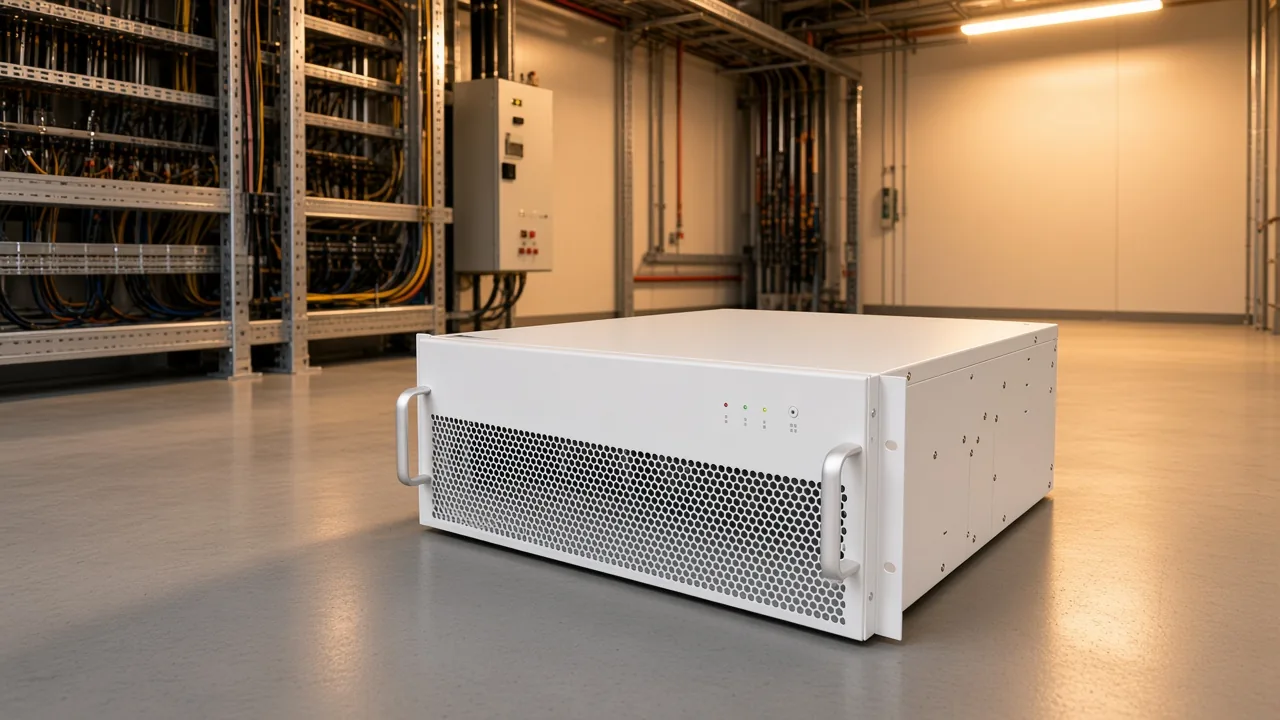
Which bus problems the advantages of a static var compensator are meant to fix
Those advantages matter on a bus that sags, flickers, or drags a poor power factor under a changing load. A steady motor list that already sits inside the voltage window does not spend the dynamic range.
Literature treats a static var compensator as a shunt device that exchanges capacitive or inductive current so a chosen parameter, usually voltage, stays put. Transmission pages talk about holding the line. Industrial pages talk about sitting next to a load that swings.
Both stories are the same physics: reactive current changes the voltage drop along the impedance between the source and the load.
On a manufacturing plant power quality bus, the swing is usually local. A crane peaks, a welder fires, a compressor unloads, and the voltage at that panel moves before the utility meter does. The advantage is not a slogan about “power quality.” It is whether the voltage at that panel stays inside the band the drives and contactors can live with.
The parent cluster for this cabinet family sits on the active power filter series hub, which groups static var generators with hybrid compensation for reactive current and imbalance. That hub is the right shelf. A thyristor transmission yard is a different shelf.
| Bus symptom | What the advantage is for | What a steady bank already covers |
|---|---|---|
| Voltage sag while a load peaks | Fast capacitive vars at that bus | Little, if the peak is shorter than the step delay |
| Voltage rise when a large motor drops off | Fast inductive vars to pull voltage back | Little, if the bank cannot step out in time |
| Chronic poor power factor on a flat load | Local vars, but speed is unused | Often the cheaper tool |
| Lights or screens that pulse with the process | Spare range in both directions | Steps that arrive after the pulse |
Why response speed is the advantage that switched capacitors miss
Continuous control beats a stepped bank when voltage moves faster than a breaker or contactor can follow. The unused range is part of the advantage, not leftover capacity.
A mechanically switched capacitor bank changes vars in lumps. Each lump waits for a decision, a close command, and a discharge timer before it can close again. That is fine for a shift change in plant load.
It is late for a weld, a hoist, or a furnace that swings inside a second.
Published descriptions call the main gain versus those banks a near-instant response, and they note that operators often hold the device near zero so the next swing still has room. If the unit is already pinned at full capacitive output, the next sag gets nothing until something else in the plant unloads. Headroom is the practical form of “fast.”
From the field: An archived utility thread still calls SVCs spendy next to capacitor banks, and a later reply tells operators not to undervalue smoothly controllable voltage support versus the all-or-nothing step of a large bank. Source: https://web.archive.org/web/20220130094205/https://www.eng-tips.com/viewthread.cfm?qid=384063
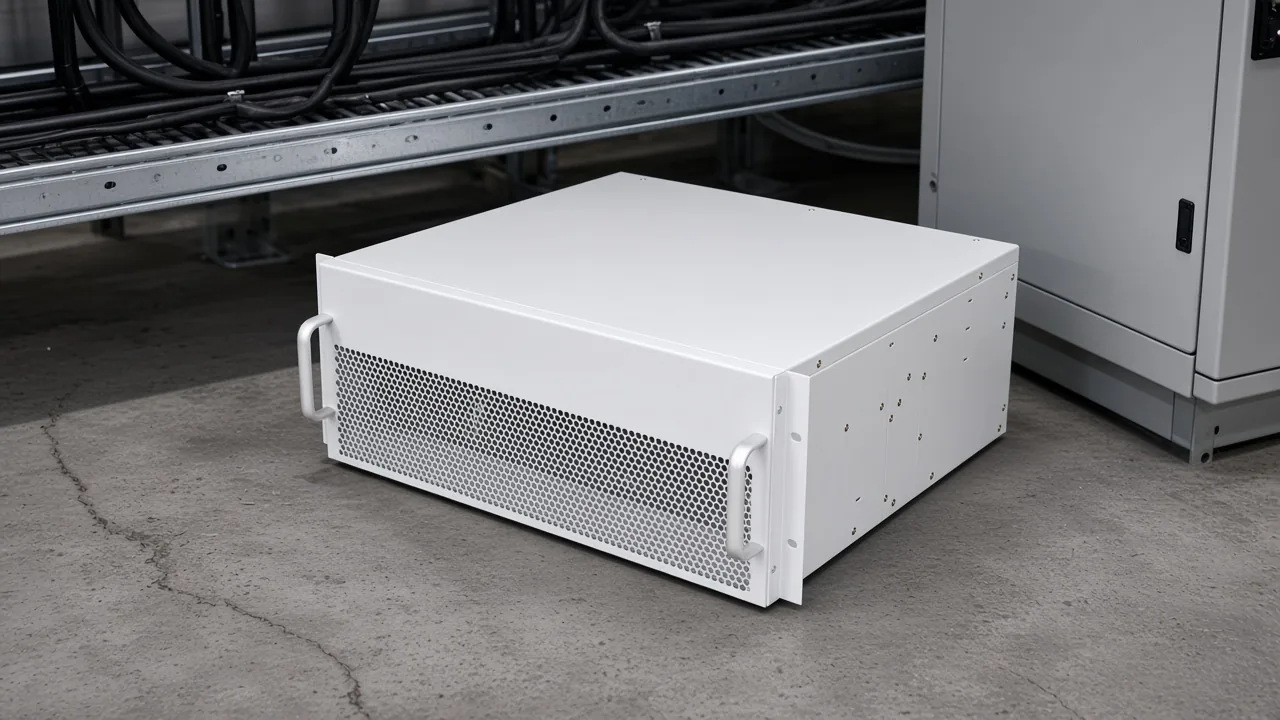
The cost contrast belongs in the same breath as the speed. A static compensator is generally described as cheaper and faster than a synchronous condenser, and more expensive than switched capacitors. Many systems keep both: the bank covers the daily bulk, and the fast device covers the swings.
Buying only the fast device to do a flat, all-day var job wastes the premium.
How local vars cut current, losses, and a poor power factor
Putting vars next to the load cuts the reactive current the cables and transformer have to carry. That is the loss advantage, and it does not require a substation.
Every inductive motor asks the supply for magnetizing current. If that current comes from a utility feeder, it heats the cables, uses transformer capacity, and shows up as a poor power factor on the bill. A local source of those vars leaves mostly real current on the feeder.
The watt-loss in a cable falls because current fell, not because the copper changed.
This is also where static var compensator vs capacitor bank stops being a slogan. Both can supply capacitive vars. The bank is enough when the magnetizing current barely moves.
The fast device earns its place when the same feeder must also absorb vars, or when the capacitive need jumps and drops inside the step time. A comparison chart of names does not change that test.
Two limits belong next to the loss claim. First, vars injected at the main incomer do less for a long run to a remote welder than vars injected at the welder panel. Second, chasing a unity power factor with a fixed bank can leave a resonant circuit on the bus.
A community thread on capacitor sizing warns that pushing a motor toward unity with a capacitor is where resonance shows up, and that the circulating current should stay close to the motor. The same caution applies when a fast device is left at a hard unity target on a bus full of capacitors.
Explainer pages also list higher transmission capability, better transient stability, and control of temporary overvoltage as SVC advantages. Those are line and utility outcomes. A plant buyer should not import them as a cabinet result.
Indoors, the local version is less voltage drop under a peak, and less voltage rise when the peak disappears.
Where flicker and impact loads spend the fast range
Rapidly varying loads are where spare capacitive and inductive range is used. A flat motor schedule does not exercise that range.
Voltage flicker is the visible form of a short reactive swing. Lights and screens pulse because the bus voltage is tracking a load that the source cannot stiffen in time. Classic industrial writing puts a static compensator next to an electric arc furnace for that reason.
The first commercial installations were furnace jobs, not office buildings. That history explains the reputation. It does not become a test report for every cabinet that shares the name.
Plant loads that rhyme with that job are smaller and closer. Welders, cranes, and hoists pull a spike, then drop it. The voltage notch is local.
A device that can both push and pull vars can blunt the spike and the rebound. A bank that only adds capacitive steps can help the spike and then overshoot when the welder stops, unless something else removes those steps in time.
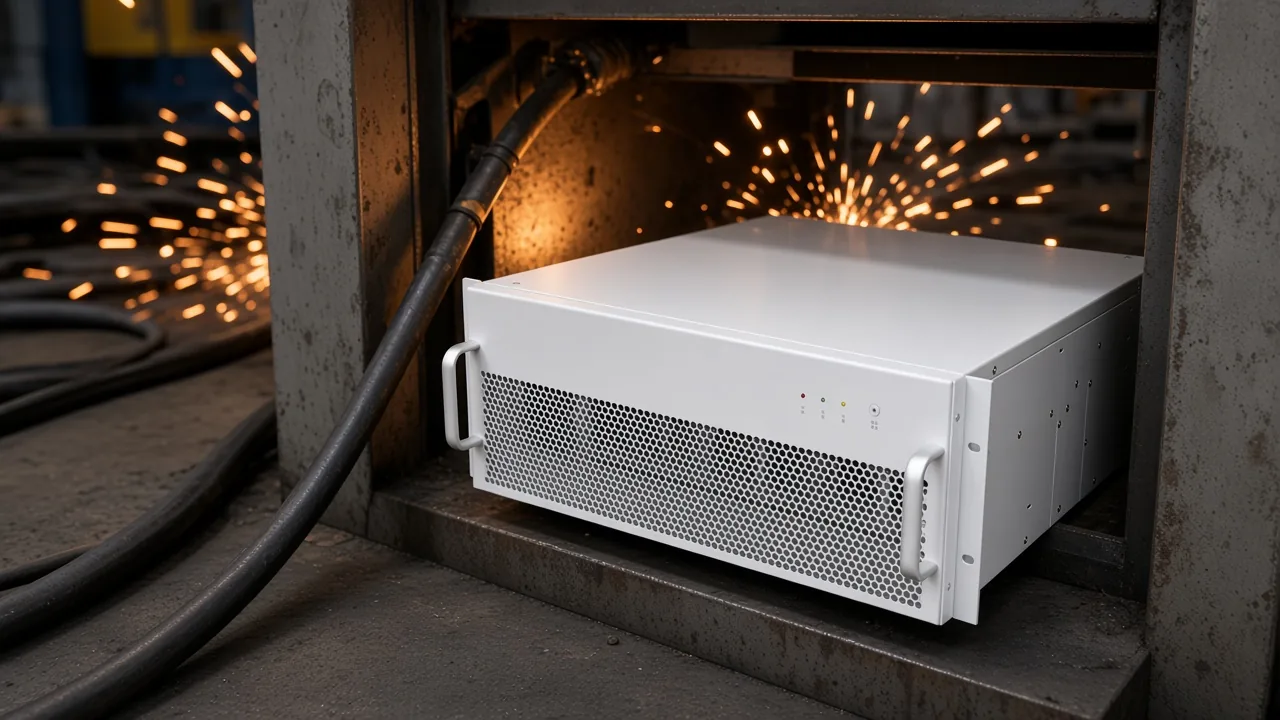
The live HYSVG page names cranes, hoists, drives, welders, compressors, pumps, mining equipment, and automated lines as application fields. Those are the flicker and imbalance jobs it is allowed to claim. An arc-furnace success story is not on that page, so it stays in the literature column.
Already-stiff sources leave the same load looking harmless. Forum language on flicker compensation says the first fix is often a stiffer source, and that a compensator is an attempt to imitate that stiffness. If the bus barely moves on a recorder, the fast advantage has nothing to spend.
Which classic advantages carry over to a converter SVG
Voltage support, both-direction vars, and flicker duty can carry over. Thyristor impedance control does not travel with the name.
A classic SVC is a variable-impedance device. A thyristor-controlled reactor absorbs vars by phase control. A thyristor-switched capacitor supplies vars in steps.
Filters usually sit beside them, because chopping the reactor current produces odd harmonics, and those filters themselves export vars. Naming, branch topology, and filter layout are already covered in the variable-impedance type static var generator note. Valve cooling is a separate topic in the cooling systems for static var compensators note.
Neither chapter changes the application question here.
A STATCOM, and the static var generator name used on the live CHYN page, uses a converter to inject current. Published comparisons say that current can stay available when bus voltage falls, while a variable-impedance SVC’s output follows the voltage down. That is the point of static var compensator vs statcom for a buyer: the dip case, not a logo.
During a deep sag, the classic device has less current to offer exactly when support is wanted. A converter can still push current. That advantage is a literature property of the topology.
It is not a claim that a particular cabinet was tested through a named fault.
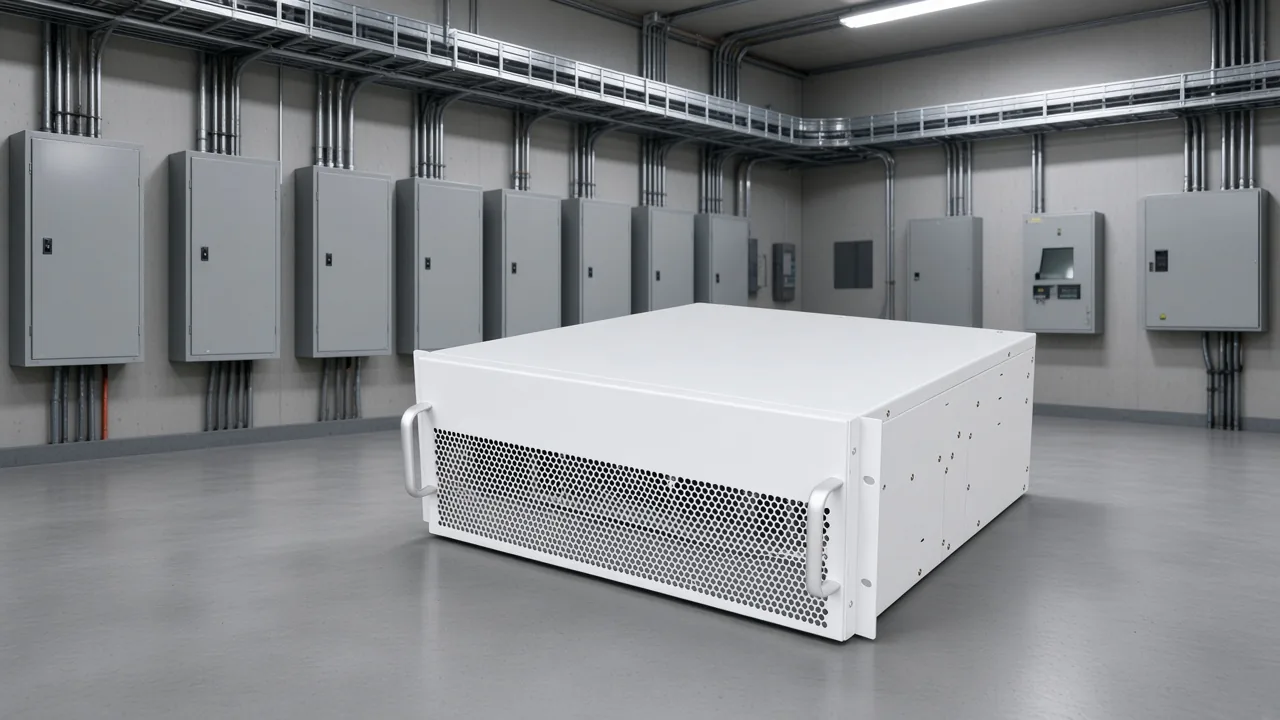
What still carries indoors is the job list. Fast capacitive and inductive vars, no capacitor switching transient, voltage support, a better power factor, lower network losses, and imbalance correction are the sentences the HYSVG page actually uses. What does not carry is a promise of transmission-line transfer gains, a deferred extra circuit, or a furnace flicker index from a utility study.
Those examples live in grid papers. One 1982 abstract even describes avoiding a third high-voltage circuit. That is a studied utility outcome, not a factory invoice.
Limited overload capability is the other classic limit that still matters. Explainer notes say an SVC cannot be treated as a machine that rides far above nameplate the way a condenser sometimes can. A converter cabinet has its own current ceiling.
Parallel modules raise capacity only within the page’s expansion note. They do not invent an overload margin.
When those advantages are not worth buying
A stiff bus and a steady load leave the premium unpaid. That stop is more useful than another advantage bullet.
Skip the fast device when a recorder shows a flat voltage and the power factor is already where the tariff wants it. A capacitor bank, or the bank already in the room, covers that. The archived utility conversation is blunt about price: continuous control looks nice and costs more than cap banks.
Pay the difference only when the step nature of the bank is the problem.
Skip a converter SVG when the job is a high-voltage utility compensator with a specified transfer limit, a harmonic-filter yard, or a proven furnace installation. Those projects need a study and a device class the live low-voltage page does not claim. Quantity and placement also refuse a rule of thumb.
An archived wind-farm thread asks where to put the device and whether there is a logic for how many. The useful reply is that size follows the plant and the connecting utility’s rules. That is a study, not a catalog multiple.
Two more stops, from published limits rather than slogans. If the device will sit at its capacitive ceiling all day, the speed advantage is already used up and a bulk bank is the missing piece. If the real complaint is harmonic current into sensitive electronics, a reactive compensator is the wrong primary tool even when the same family includes filters.
The HYSVG page mentions current distortion and harmonics in monitoring and protection language. It does not replace a dedicated harmonic study.
Where HYSVG is the published product match for the surviving advantages
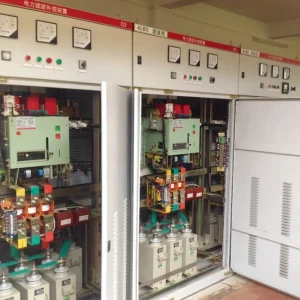
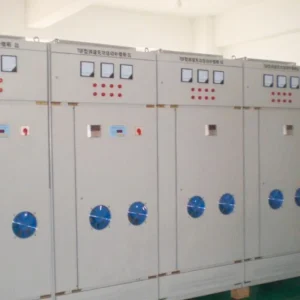
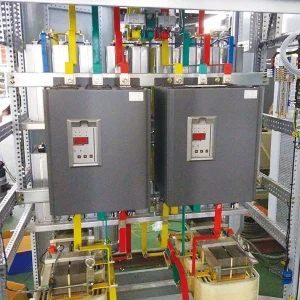
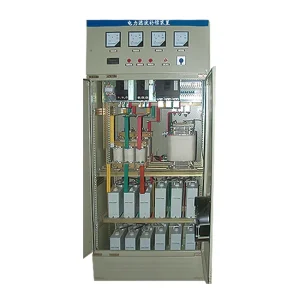
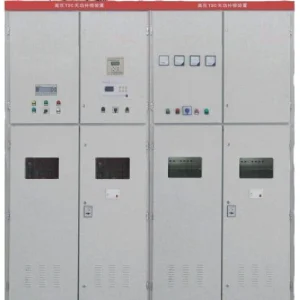
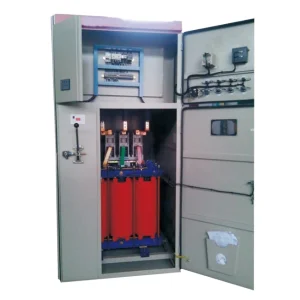
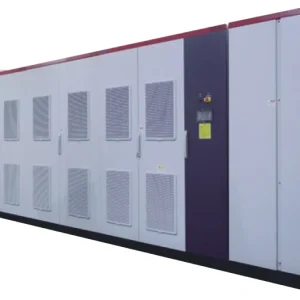
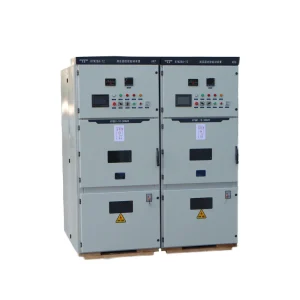
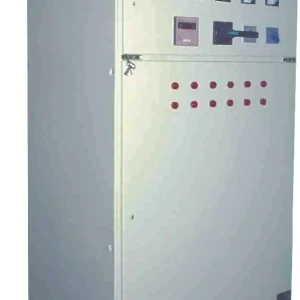
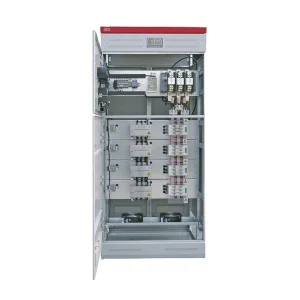
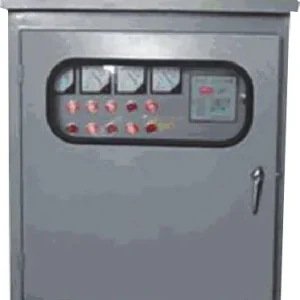
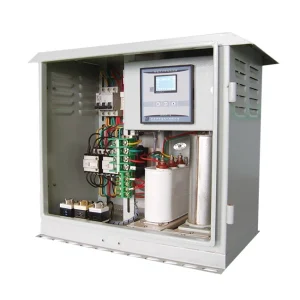
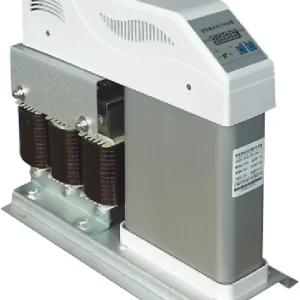
HYSVG is the low-voltage static var generator page that claims those surviving jobs. It is a converter cabinet, and the live copy does not call it a thyristor SVC.
The HYSVG Static Var Generator provides continuous inductive and capacitive reactive-current compensation on low-voltage distribution networks, without capacitor switching transients. The same paragraph ties that behavior to voltage stability, power factor, lower network losses, and current imbalance. That is the mapping: the three jobs above, written in the product’s own words.
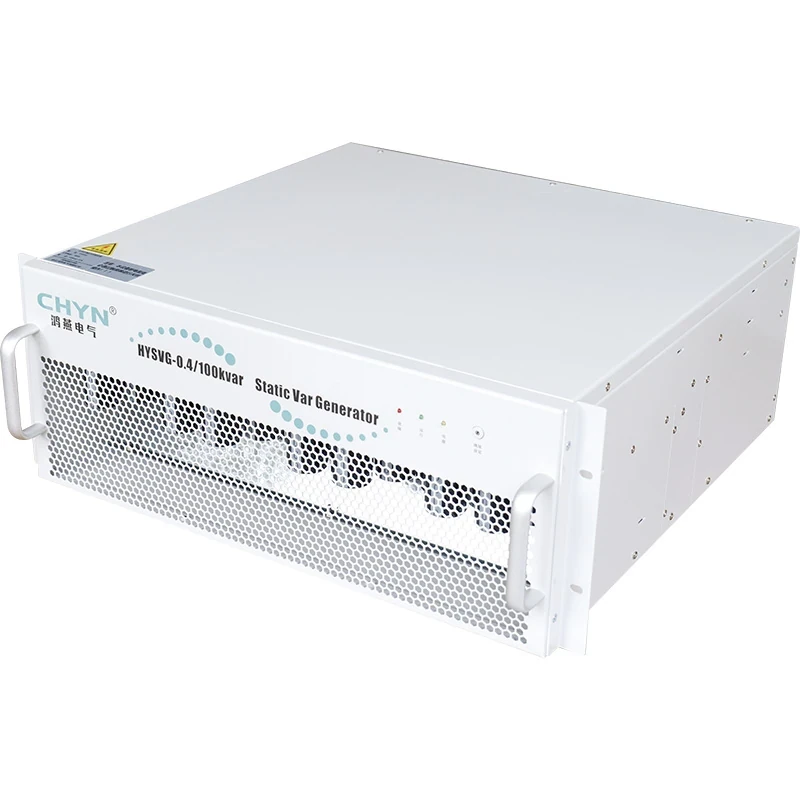
The live parameter table is the rating boundary for those claims.
HYSVG full compensation time on the live page is 10 ms.
On the live table, overall efficiency is listed at 97% or higher.
For this model, rated voltage is 380 V, with an allowable window from -40% to +20%.
Frequency on that same row: rated frequency is 50 Hz with a tolerance of ±2 Hz.
The switching note reads: switching frequency is about 20 kHz.
Height limit on the page: the altitude note is 2000 m, with derating above that height.
Temperature window on the page: operating temperature on the page is -10 °C to +45 °C.
Listed capacities are 50 kvar, 75 kvar, 100 kvar, and 200 kvar, with parallel expansion. Those capacity figures sit beside modular construction on the page. They are not a flicker index and not a furnace rating.
| Surviving job | What the live HYSVG page says | What the page does not say |
|---|---|---|
| Fast vars both ways | Continuous inductive and capacitive current, no switching transient | Not a thyristor reactor-and-capacitor yard |
| Voltage and flicker on impact loads | Named fields include cranes, welders, drives, mining | No arc-furnace case result |
| Losses and power factor | Lower network losses and a better power factor | No utility bill or feeder study |
| Mix of fast and bulk vars | Sibling hybrid page, if the LC branch is wanted | Not a substitute for a transmission SVC |
A hybrid sibling exists when the site needs both a fast module and a bulk LC branch. The HYSVGC hybrid device describes SVG modules for the swing and LC branches for steady capacity, and it says that pairing avoids the under- and over-compensation common in traditional TSC and TCR systems.
HYSVGC compensation accuracy is at least 97%.
HYSVGC full response time is under 10 ms.
The same page says power factor is adjustable up to 0.99. Use that sibling when the load has a large steady var block plus a fast swing. Leave it aside when the whole job is a short flicker spike and the SVG module alone matches the page.
FAQ
How do static VAr compensators work?
A classic unit sits in shunt and changes how much reactive current it exchanges with the bus. Reactors absorb vars and pull voltage down. Capacitors supply vars and lift voltage.
Thyristors make that exchange fast and, with a controlled reactor, continuous. A converter SVG does the exchange by injecting current instead of steering a reactor.
What is the difference between a static VAr compensator and a STATCOM?
A static VAr compensator in the classic sense varies impedance with thyristors. A STATCOM is a converter. The practical difference in a sag is that converter current can stay up when voltage falls, while variable-impedance output tends to fall with the voltage.
That is a topology point, not a claim that every SVG cabinet has been fault-tested.
Why is a static var compensator faster than a switched capacitor bank?
A switched bank changes vars in steps, with a close command and often a discharge wait. A controlled reactor or a converter changes output inside the electrical cycle range that published notes call near-instant. The speed only helps if the device still has unused range when the swing arrives.
Does a static var compensator still help if the bus is already stiff?
Little. If a recorder shows the voltage barely moving when the load peaks, the source is already doing the job. A compensator is bought to imitate stiffness.
On a stiff bus the remaining case is a tariff power factor, and a simpler bank often covers that.
Can HYSVG claim the same flicker job as a classic arc-furnace SVC?
Only the jobs written on its page. Those include welders, cranes, drives, and other impact loads on a low-voltage network. An electric arc furnace result from utility literature is not a HYSVG case.
Treat furnace flicker as history, then read the application list.
When is a capacitor bank enough and the SVC advantage not worth the cost?
When the load is steady, the voltage trace is flat, and the power factor is the only complaint. Archived utility discussion is plain that continuous control costs more than cap banks. Pay that difference when steps are too slow or too coarse, not because the acronym sounds newer.
Does HYSVGC belong in this advantages discussion?
Yes, when the site needs a fast SVG module and a larger LC block together. The live page positions that hybrid as a fix for under- and over-compensation seen on traditional thyristor switched systems. It is the wrong pick when the entire problem is a short flicker spike and no bulk var block.
References
- Encyclopedia entry on the static VAR compensator
- The role and benefits of Static Var Systems, OSTI bibliographic record
- Static VAR Compensator, Circuit Globe
- Static VAR Compensator, Electrical Workbook
- Archived Eng-Tips discussion on capacitor banks versus SVC control
- Archived Eng-Tips discussion on where to place an SVC