
 Zhejiang Hongyan Electric Co., Ltd.
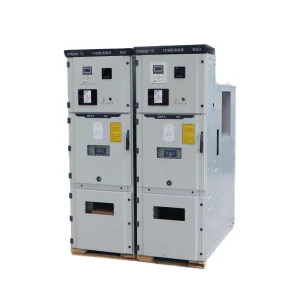
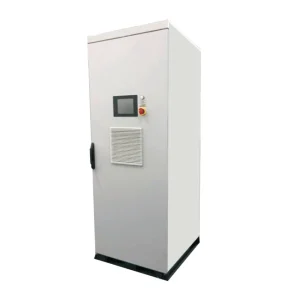
Static var generator communication failure can mean lost remote monitoring, an unavailable operator interface, or interruption of a control link. These conditions require different responses. First establish which connection failed and whether compensation still follows valid local measurements; a frozen supervisory power-factor value does not prove that the SVG has stopped. Preserve alarms and timestamps, use an independent electrical measurement where authorized, and follow the supplied model's documented fallback procedure. Neither Modbus support nor a communication-fault alarm establishes whether a particular configuration holds its last command, changes mode or stops compensation.
This guide helps a plant engineer or system integrator specify diagnosis and acceptance. The CHYN HYSVG product page lists RS485/Ethernet, Modbus, monitoring and communication-failure protection. Request the supplied firmware's register map and cause-and-effect schedule: the product overview does not define the detailed response of every installation.
Draw the communication boundary before troubleshooting
Identify every path between the SVG, local display, cabinet controller, gateway and plant supervisory system. Mark which paths only carry readings and which can transmit start, stop, enable or target commands. A gateway can stop updating the plant screen while the local compensation loop remains functional. Conversely, a working supervisory connection can coexist with a failed internal connection that prevents normal operation.
Record the physical interface separately from the application protocol. An Ethernet socket does not establish that every requested Modbus service is supported, and an RS485 connection does not establish the device address, baud rate or framing. Obtain these details from the actual communication schedule. Avoid applying settings copied from another manufacturer's SVG manual, even when the displayed product names look similar.
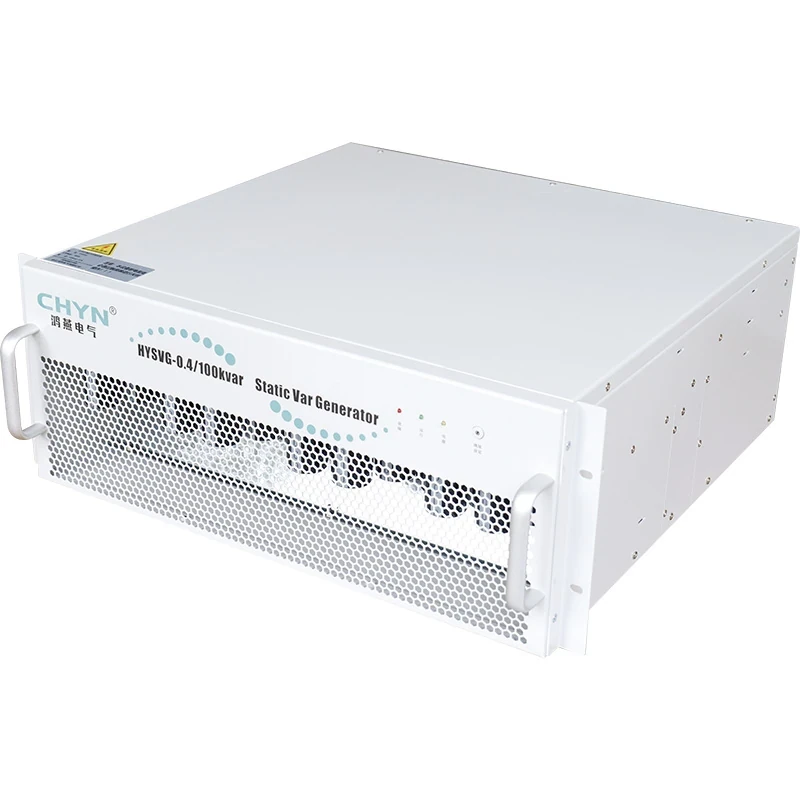
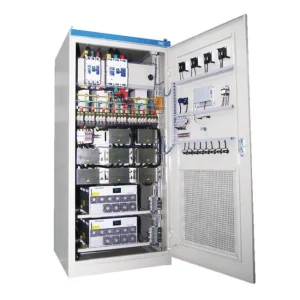
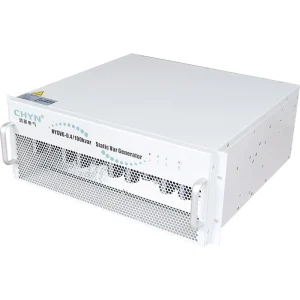
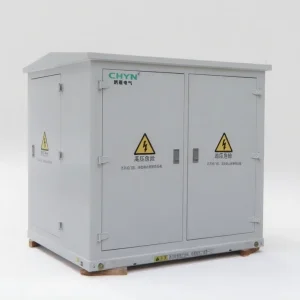
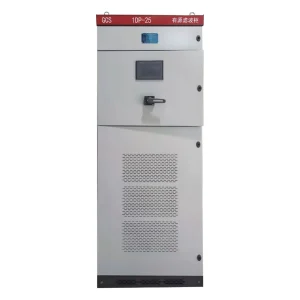
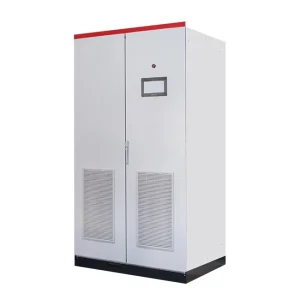
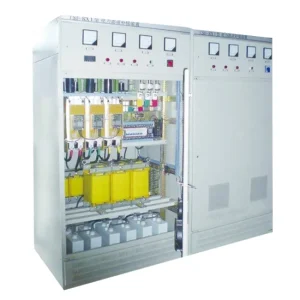
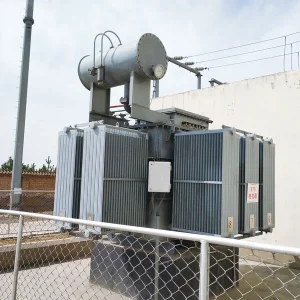
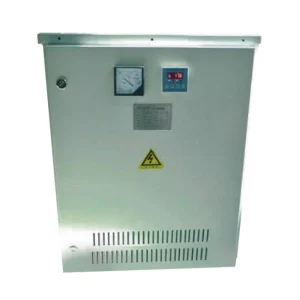
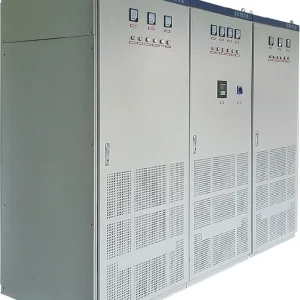
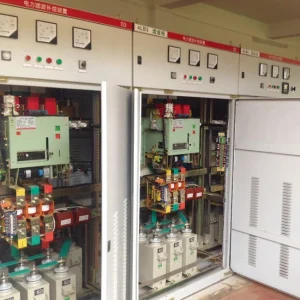
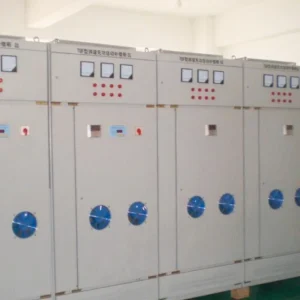
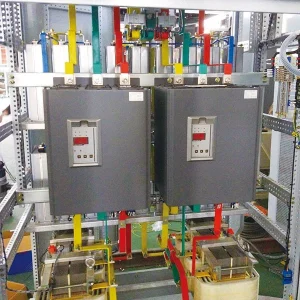
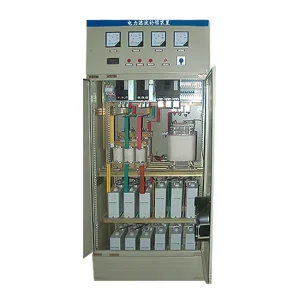
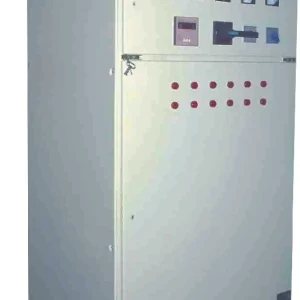
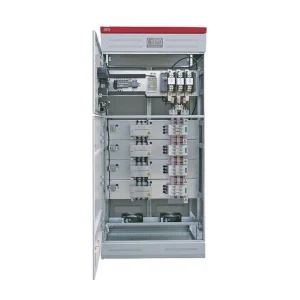
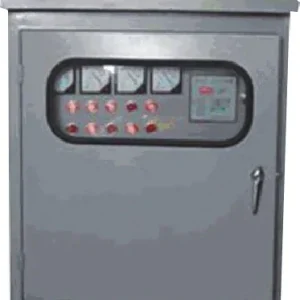
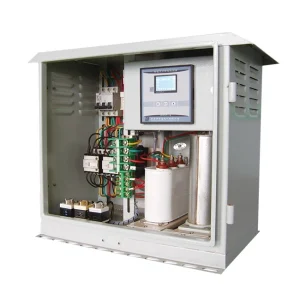
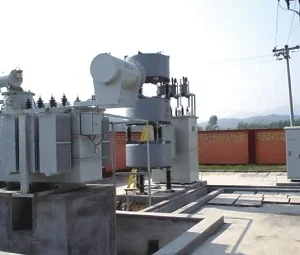
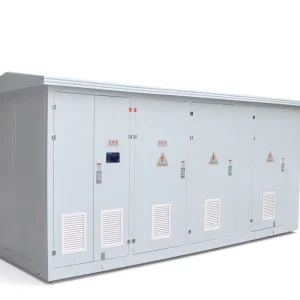
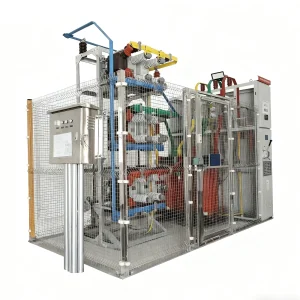
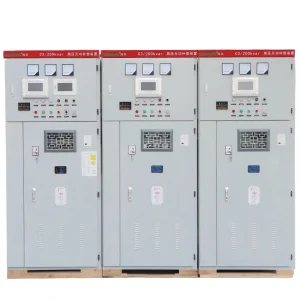
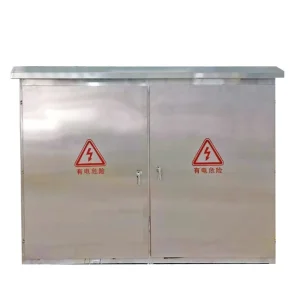
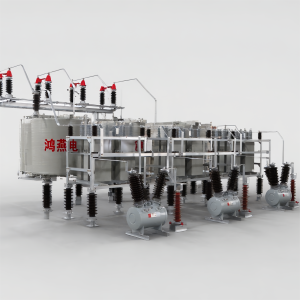
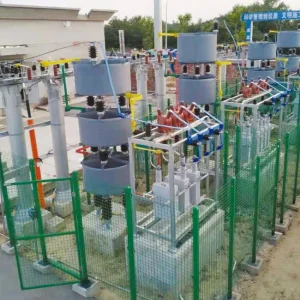
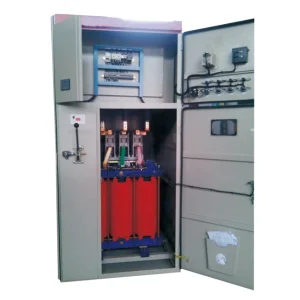
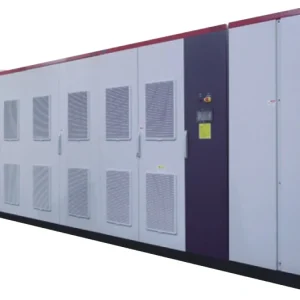
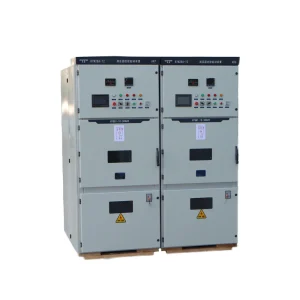
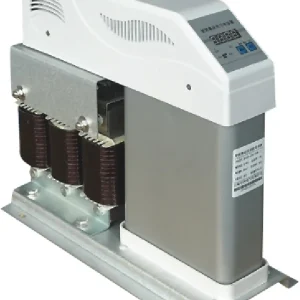
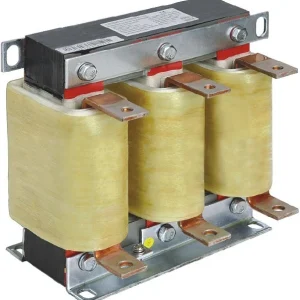
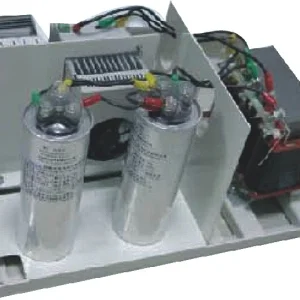
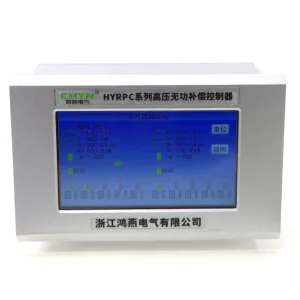
The original equipment photograph identifies the product family, rather than a port location or wiring instruction. Cabinet options and internal connections must be checked against approved drawings. Opening a powered enclosure to trace a cable introduces electrical hazards and requires the site's qualified personnel and work procedure.
Separate missing replies from rejected requests
The Modbus Organization application protocol specification, section 7 distinguishes an absent response from an exception response. A request that cannot be processed can receive an exception, whereas a communication error can leave the client waiting until timeout. Save the actual transaction result instead of grouping every event under “offline.”
An exception referring to an unsupported function or address suggests that part of the communication path is working. Check the function, register range and firmware revision. Repeated silence calls for a different investigation: device availability, cabling, gateway routing and communication configuration are possible branches. Neither observation alone identifies a failed power module.
| Observed condition | What it establishes | Useful next evidence |
|---|---|---|
| Supervisor values stop changing | The displayed information may be stale | Last successful acquisition time, quality flag and independent local reading |
| Modbus exception received | A responding endpoint rejected the request | Exception code, requested function and approved register map |
| No response before client timeout | No usable reply arrived within that interval | Connection path, device state and timestamped request trace |
| Local display reports internal communication fault | A model-specific internal dependency needs investigation | Exact alarm code, affected module and manufacturer recovery sequence |
| Readings resume but output remains unavailable | Restored data transport has not restored the operating state | Enable chain, active command source, interlocks and latched alarms |
This table separates evidence types; it is not an SVG alarm-code translation. Retain the manufacturer's exact wording alongside the plant system's interpreted status. A generic “good communications” flag can obscure a rejected write or an invalid measurement if the integration only tests whether the socket remains connected.
Make stale measurements visible to operators
Record acquisition time, not just the time the screen was opened. A numeric value can look plausible for hours after the last valid update. The supervisory application should distinguish a current measurement from an old value retained for reference. Define that display behavior during integration so operators do not mistake an unchanged value for a stable electrical condition.
Compare a small set of related signals: local operating state, remote command source, measured reactive power and actual compensation output. Use consistent units and sign conventions. A value decoded with the wrong scaling or word order may change continuously and still be wrong. Confirm a known operating state against the approved map and an independent measurement rather than accepting movement on the screen as proof of accuracy.
Review SVG control modes and feedback boundaries when deciding what output should do. A voltage-control installation and a power-factor-control installation do not have the same acceptance objective. Communication diagnosis should preserve the intended operating mode unless a planned test explicitly authorizes a change.
Specify the fallback decision for each lost link
List the expected response to loss of supervisory monitoring, loss of the remote target and loss of any internal control dependency separately. Ask whether compensation can continue autonomously, whether a preset local target is selected, and whether an operator reset is required. These are questions for the supplied design, rather than universal characteristics of all SVGs.
Define command ownership during fallback. A plant controller and a local panel must not silently compete to set the same target. Document how operators recognize local control, which commands remain effective and how authority returns to the supervisor. Include any compensation equipment sharing the same measurement boundary, because a change in one controller can alter the demand seen by another.
NIST SP 800-82 Revision 3 treats operational technology in the context of physical processes, reliability and safety. That supports assessing the operational consequences of communication changes before testing them. It does not supply an SVG trip delay or prescribe one fallback state for every plant.
Collect evidence without destabilizing the installation
Start with existing alarm exports, communication counters and approved read-only diagnostic tools. Save the current configuration and software versions. Record whether the issue affects one device, several devices behind one gateway, or the entire supervisory segment. That scope helps assign the investigation without repeatedly restarting equipment that is still compensating correctly.
Coordinate active tests with operations and the control-system owner. Disconnecting a link, forcing a target or rebooting a gateway can change the process even if the test is described as a network check. Plan the expected state, observation method, abort condition and restoration procedure before beginning. Keep electrical protection and required interlocks effective throughout the test.
Use the parallel SVG coordination checklist where several converters share duty. Capture module-level availability as well as the cabinet total. A restored supervisory connection to one controller does not prove that all participating modules have returned to their intended sharing arrangement.
Verify recovery as a sequence
After the approved repair, first confirm reliable communication and correct decoding. Then check that alarm states, control ownership and measurement quality agree between the local and supervisory interfaces. Only after these checks should the team verify compensation behavior under an authorized load condition. Save before-and-after records with matching signal names and units.
Do not automatically replay a queued command merely because communication returned. Determine whether the application retains writes, retries them or requires an explicit new command. Confirm that an old target cannot unexpectedly replace a local fallback target. The acceptance record should state what actually happened, including any required acknowledgement or reset.
For the supporting measurement chain, the CT burden assessment addresses a separate source of inaccurate feedback. Distinguish communication quality from sensor accuracy: a perfectly transmitted measurement can still be electrically wrong. Investigate that branch when independent results disagree after transport has been restored.
What to request in the integration handover
Request the interface list, register-map revision, data types, scaling, sign convention, supported commands and alarm interpretation. Include the normal polling arrangement and manufacturer-approved communication settings. Identify which information is available only locally so a remote maintenance team understands the limits of the supervisory display.
Attach a tested failure-and-recovery matrix with named responsibilities. For each communication path, record the operating response, operator indication, retained settings and release steps. Keep a configuration backup and a change record that links the commissioned behavior to the installed firmware. An undocumented successful demonstration is difficult to reproduce after a later gateway replacement.
The NPTEL lecture below introduces industrial connectivity requirements. It provides background for separating communication architecture from application behavior; it is not a CHYN register-map tutorial or permission to change a live network.

Watch the educational lecture on YouTube.
Frequently asked questions
Does an offline plant screen prove that the SVG stopped?
No. The supervisory data path may have failed while local control remains active. Verify local status and independent electrical evidence through approved methods. Treat the old screen value as stale until acquisition is restored.
Can a communication alarm be cleared by increasing a timeout?
A longer timeout changes when the client declares a missing reply. It does not repair a wrong address, broken connection or internal device fault. Adjust timing only within the approved integration design and verify the resulting operator indication.
Should the remote command be resent after reconnection?
Follow the agreed recovery sequence. First establish command ownership and whether an earlier write was executed or retained. An uncontrolled repeat can overwrite the fallback state or duplicate a state-changing action.
Does Modbus support define the SVG's fail-safe mode?
No. Modbus defines communication behavior, while the converter and plant design define what happens when required information is unavailable. Obtain the model-specific fallback description and demonstrate it during an authorized acceptance test.
References
- Modbus Organization — Modbus Application Protocol Specification V1.1b3
- NIST — Guide to Operational Technology Security, SP 800-82 Revision 3
Close the fault with a documented operating state
Accept the repair when current data, command ownership and actual compensation agree with the approved design. For a new SVG project, include the communication failure matrix in the purchase specification so the supplier and plant integrator can demonstrate the same expected result.